



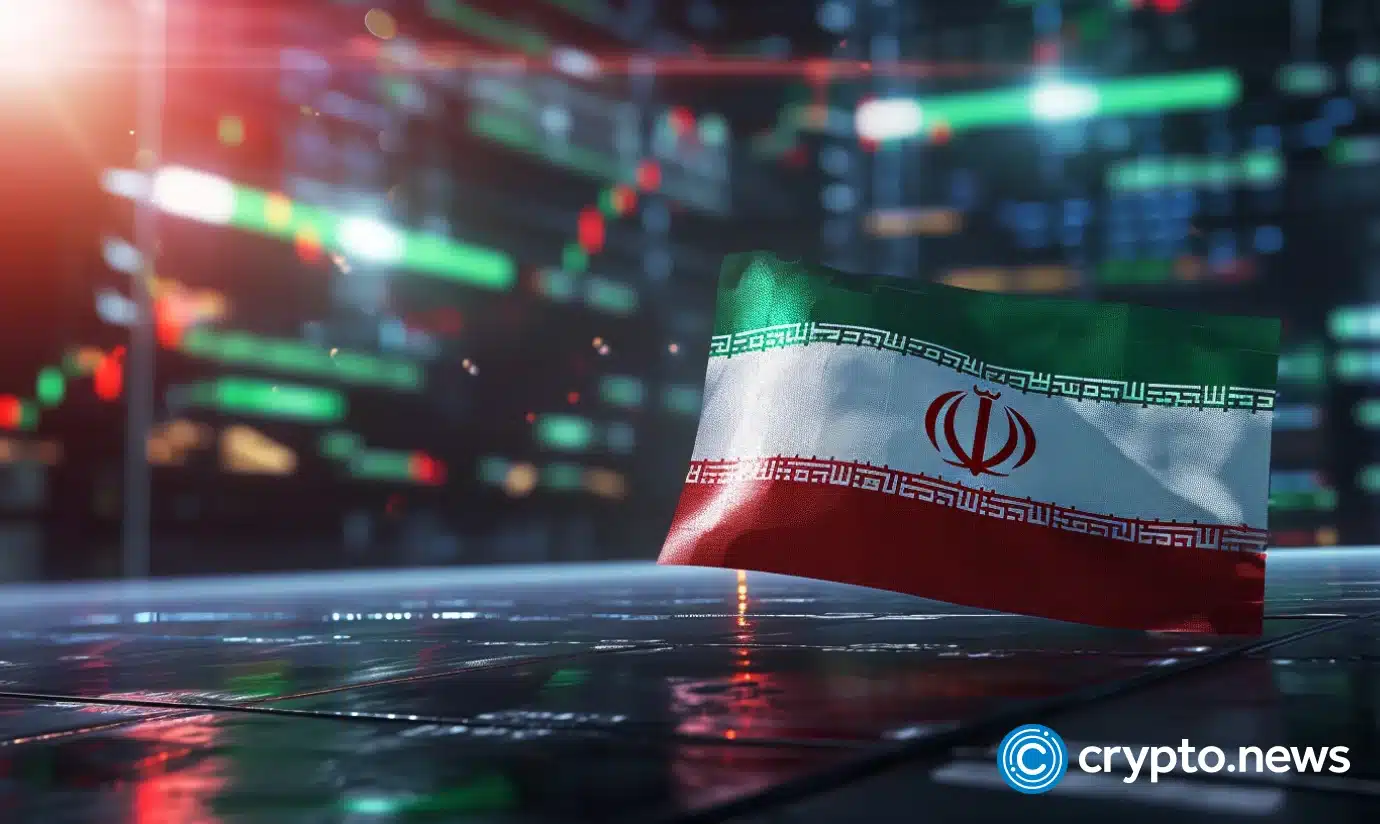
Iran has begun offering foreign governments the option to pay for advanced weapons systems using cryptocurrency.
Summary
- Iran’s state arms exporter is open to crypto payments for military sales.
- The policy aims to bypass US and European financial sanctions.
- Domestic crypto use continues to grow despite enforcement pressure.
Iran’s latest move appears to be a strategy aimed at sidestepping Western sanctions that restrict access to traditional financial channels.
According to a Jan. 1 report by the Financial Times, Iran’s Ministry of Defence Export Center, known as Mindex, has introduced payment terms that allow military contracts to be settled in digital currencies, alongside barter arrangements and Iranian rials.
Promotional documents reviewed by the FT show the policy has been in place for roughly the past year.
State defense exporter opens door to crypto-based arms deals
Mindex is a state-run body responsible for Iran’s overseas arms sales and claims to have client relationships with 35 countries. Its catalogue includes Emad ballistic missiles, Shahed drones, Shahid Soleimani-class warships, short-range air defence systems, as well as small arms, rockets, and anti-ship cruise missiles.
The FT verified the authenticity of Mindex’s website using archived records, registration data, and technical analysis. The site is hosted on an Iranian domestic cloud provider that is itself under U.S. Treasury sanctions and has been described by Washington as having close ties to Iranian intelligence services.
Prospective buyers are guided through an online portal and a virtual chatbot. A frequently asked questions section directly addresses sanctions risk, stating that Iran’s policies on “circumventing sanctions” ensure contracts can be executed and goods delivered.
While pricing is not publicly disclosed, the exporter offers in-person inspections in Iran, subject to security approval.
Sanctions pressure drives alternative payment channels
The willingness to accept cryptocurrency marks one of the first publicly known cases of a nation-state openly offering strategic military hardware in exchange for digital assets. Western officials have warned that parties using conventional finance to transact with Iran risk being cut off from U.S., EU, and U.K. financial systems.
U.S. authorities have previously accused Iran of using cryptocurrencies to facilitate oil sales and move large sums outside formal banking rails. In September, the U.S. Treasury sanctioned individuals linked to Iran’s Revolutionary Guards for running a crypto-based “shadow banking” network.
The disclosure comes as Western powers increase pressure on Tehran over its nuclear programme. In 2024, Iran ranked 18th globally in major arms exports, according to SIPRI, and analysts have noted Tehran’s growing role as Russia’s export capacity shrinks following the Ukraine invasion.
A growing domestic crypto footprint
Iran’s domestic cryptocurrency activity is still growing despite sanctions. An estimated 5 million Iranians are now active traders, and inbound cryptocurrency volumes increased 11.8% year-over-year in 2025. There are several local exchanges in the country, including Bit24, Excoino, and Nobitex.
The $80–90 million Nobitex hack in June 2025 was a major setback, but it didn’t stop adoption, showing how embedded digital assets are in Iran’s sanctioned economy.
