

The Take It Down Act has secured its first federal conviction, with an Ohio man pleading guilty to using more than 100 AI models to create and distribute nonconsensual deepfakes of women and children, putting the first real enforcement stamp on a landmark AI-specific law.
Summary
- James Strahler II, 37, of Columbus, Ohio, pleaded guilty on April 7 to cyberstalking, producing child sexual abuse material, and publishing digital forgeries under the Take It Down Act.
- The law, signed by President Trump in May 2025, makes it a federal crime to publish nonconsensual AI-generated intimate imagery and requires platforms to remove it within 48 hours of a valid report.
- Online platforms have until May 19, 2026 to establish formal takedown procedures or face Federal Trade Commission enforcement action.
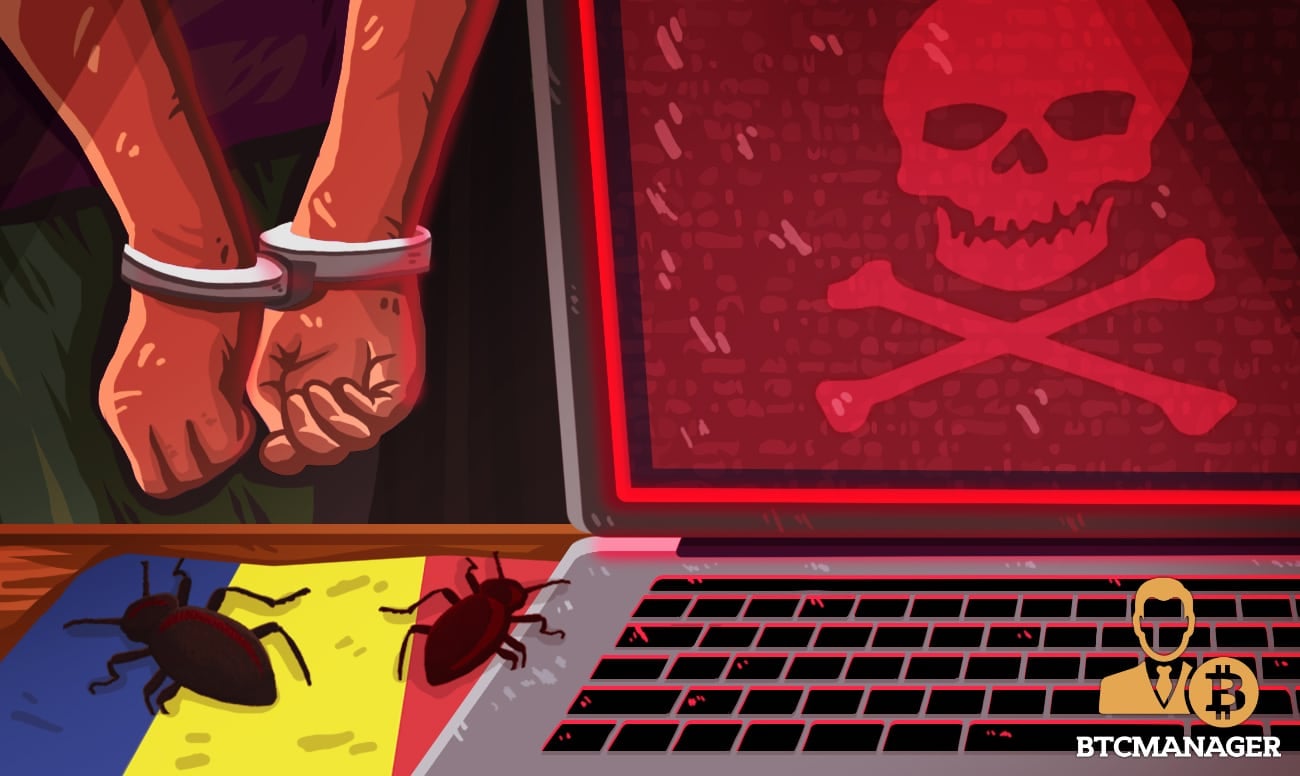
The Take It Down Act has its first conviction. James Strahler II, a 37-year-old Columbus, Ohio man, pleaded guilty on April 7 to three federal counts: cyberstalking, producing obscene visual representations of child sexual abuse material, and publishing digital forgeries, the law’s term for nonconsensual deepfakes. The Department of Justice confirmed he is the first person convicted under the law.
Between December 2024 and June 2025, Strahler used over 100 AI models to create sexually explicit images and videos of six adult victims and distribute them to their coworkers and families. He also generated deepfake content involving children and uploaded hundreds of images to a child sexual abuse website before his arrest in June 2025.
The Take It Down Act, introduced by Senators Ted Cruz and Amy Klobuchar and signed into law on May 19, 2025, criminalizes the knowing publication of nonconsensual intimate imagery, including AI-generated content depicting real people. It passed the Senate unanimously and the House by 409 to 2.
Penalties under the law include up to two years in prison per offense involving adult victims and up to three years when minors are involved. Strahler has not yet been sentenced.
U.S. Attorney Dominick Gerace said the prosecution sends a direct message: “We will not tolerate the abhorrent practice of posting and publicizing AI-generated intimate images of real individuals without consent.”
What the Law Requires of Platforms
Beyond criminal prosecution, the Take It Down Act creates mandatory obligations for online platforms. Covered platforms, including public websites and mobile applications that host user-generated content, must remove reported nonconsensual imagery within 48 hours of a valid victim request and make reasonable efforts to find and delete identical copies.
The compliance deadline is May 19, 2026, just over a month away. Platforms that fail to establish a formal removal process face enforcement by the Federal Trade Commission. The law does not preempt state-level protections, and at least 45 states have their own AI deepfake laws in place.
Why It Matters for AI Regulation
The Take It Down Act is widely described as the first major federal law in the United States that directly restricts harmful uses of AI. Its passage reflects growing bipartisan urgency around AI-generated abuse at a moment when deepfake tools have become widely accessible. The National Center for Missing and Exploited Children received more than 1.5 million AI-related exploitation tips in 2025 alone.
The same technology that enables nonconsensual intimate imagery is also fueling deepfake scams across the crypto sector, where AI-generated impersonations of prominent figures have been used to defraud investors. The deepfake crisis across financial platforms saw AI-powered vishing attacks surge 28% year over year in Q3 2025, underscoring why federal-level intervention carries broad implications beyond intimate imagery alone.
First Lady Melania Trump, who championed the legislation as part of her Be Best initiative, said she was proud of the first conviction.
