


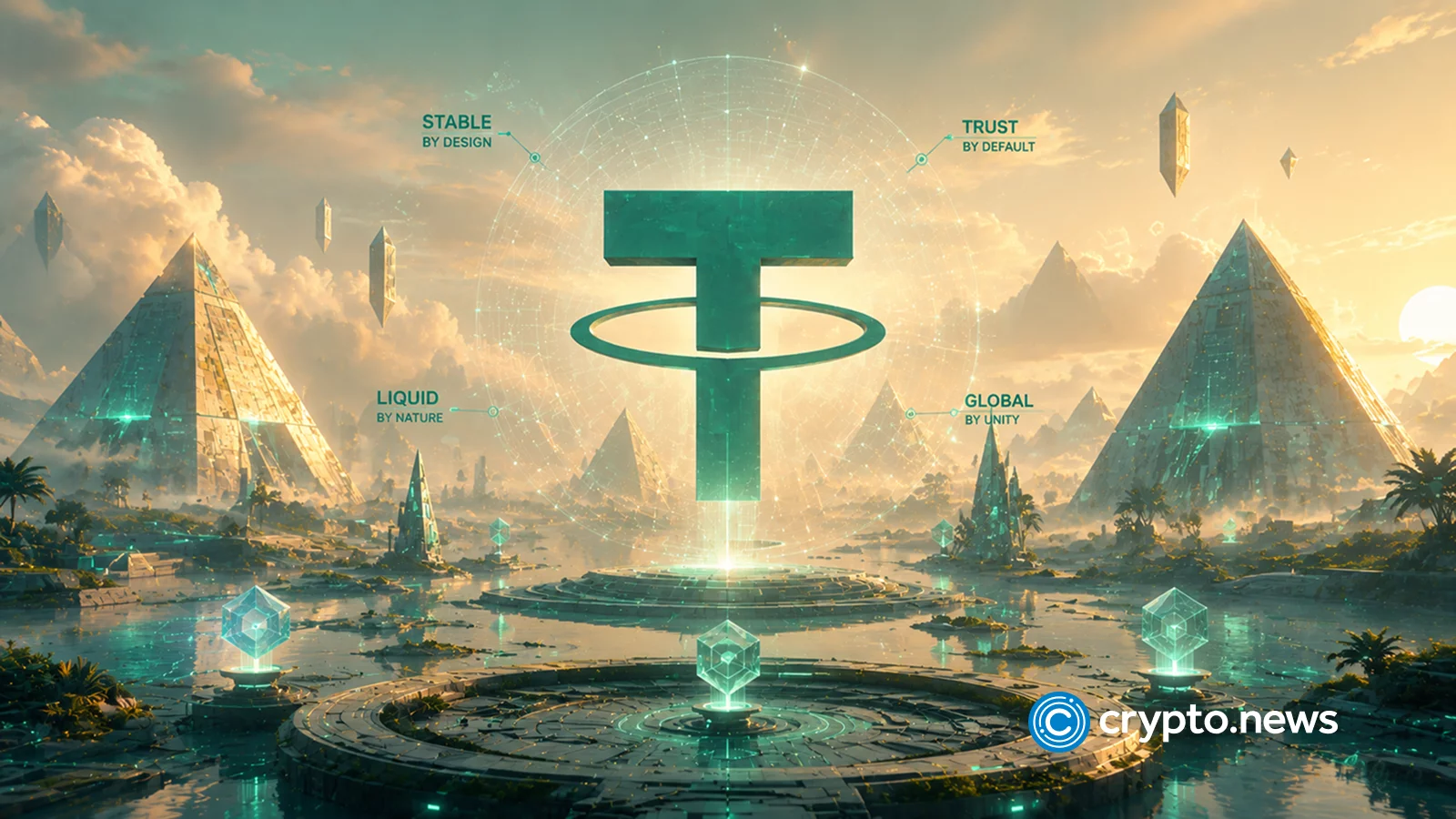
Tether and the Nairobi Securities Exchange signed a memorandum of understanding on July 28 to explore tokenized securities, blockchain-based market infrastructure and digital asset education in Kenya.
Summary
- Tether and NSE will explore tokenized securities, fractional access, instant settlement, and digital asset education.
- Kenya’s 2025 law assigns tokenization oversight to CMA and stablecoin issuance oversight to CBK separately.
- RWA.xyz tracks $36.9 billion in tokenized assets excluding stablecoins, showing the sector’s expanding institutional scale.
The parties will also assess whether USDT could serve as a settlement infrastructure layer where Kenyan rules permit it.
The announcement does not approve a tokenized security, launch a trading platform or commit the NSE to settle transactions in USDT. Tether and the exchange described the arrangement as an exploratory framework, and they disclosed no pilot date, budget or binding implementation schedule.
Tether and NSE will test tokenized market infrastructure
The proposed work centres on Hadron, Tether’s platform for creating and managing tokenized assets. The parties plan to examine fractional access to securities for local and diaspora investors, alongside onboarding processes designed around Kenyan anti-money-laundering and know-your-customer requirements.
Hadron provides issuance, transfer and compliance tools, but its terms describe it as software rather than the issuer or guarantor of tokens created through the platform. That distinction means the NSE, issuers, custodians and licensed intermediaries would still need defined legal and operational responsibilities before any product could reach investors.
The MoU also covers instant and atomic settlement, which Tether said could reduce the exchange’s existing multi-stage settlement workflow. It includes training sessions and workshops for NSE-listed brokers and retail investor groups.
However, the companies did not name the securities that could be tokenized, the blockchain that would record them or the institutions that would hold the underlying assets. They also did not explain how blockchain records would connect with Kenya’s existing ownership and central-depository systems.
Kenya’s rules place tokenization under regulatory oversight
Kenya’s Virtual Asset Service Providers Act took effect on Nov. 4, 2025. It assigns virtual asset tokenization and token issuance platforms to the Capital Markets Authority, while the Central Bank of Kenya oversees stablecoin issuance. The law also requires licensing, AML controls, technology safeguards and approval for covered virtual asset offerings.
The National Treasury released draft implementing regulations in March 2026, and the CMA still lists them as drafts. The Act specifically allows regulations covering tokenized assets, real-world asset tokenization and stablecoins. The final structure of an NSE pilot will therefore depend on regulatory classification and approvals.
The MoU’s phrase “where permitted” is material. Exploring USDT as infrastructure does not mean the stablecoin has received approval for securities settlement in Kenya. No approval from the CMA or central bank was announced with the agreement.
The MoU extends the NSE’s tokenization strategy
The initiative is not the NSE’s first blockchain project. As crypto.news previously reported, the exchange joined DeFi Technologies, Valour and SovFi in 2025 to develop the Kenya Digital Exchange for tokenized equities, debt, funds and commodities.
Tether brings a separate technology stack. Hadron supports assets including corporate equity, bonds, commodities and sovereign debt, with configurable compliance controls. In related coverage, crypto.news reported that Tether introduced Hadron in 2024 to broaden its business beyond stablecoins.
NSE chief executive Frank Mwiti said the latest agreement aligns with the exchange’s 2025–2029 strategy, which prioritizes technology, broader market participation and investor access. His statement framed the work as exploration rather than a confirmed product rollout.
Regulatory approvals will determine what happens next
RWA.xyz tracked about $36.9 billion of tokenized real-world assets excluding stablecoins as of July 27. Separately, USDT had a market capitalization near $184 billion on July 29. Those figures show the scale of the wider market, but they do not establish demand for tokenized Kenyan securities.
The next steps are likely to include selecting a pilot asset, agreeing ownership and custody structures, designing investor disclosures and securing regulatory clearance. The parties must also determine settlement finality, redemption rights, data protection, taxation and treatment of local and diaspora investors. This is an inference based on the MoU’s proposed scope and Kenya’s regulatory requirements.
Tether and the NSE have not published deadlines for those steps. Until approvals and technical specifications emerge, the agreement remains a plan to study tokenization and settlement rather than a live market launch.
